Finding the right addiction treatment program for someone you love is one of the most important decisions your family will make. The wrong choice wastes time and money. The right one saves a life.
This guide cuts through the noise and gives you a clear, step-by-step process to evaluate any program with confidence.
By the end, you will know how to:
- Match your loved one to the right level of care
- Spot red flags before committing
- Verify accreditation and staff credentials
- Understand what insurance actually covers
- Ask the questions that separate good programs from great ones

Step 1: Understand Your Loved One’s Needs First
Before you call a single facility, get clear on what your loved one actually needs.
Not every program is built for every person. Choosing the wrong level of care, even at a high-quality facility, reduces the chance of lasting recovery.
Ask yourself these questions first:
- Has your loved one tried to stop before and relapsed?
- Are there signs of depression, anxiety, trauma, or mood swings alongside the substance use?
- Is the home environment stable and supportive, or full of triggers?
- Is there physical dependence that would require supervised detox?
According to the Substance Abuse and Mental Health Services Administration (SAMHSA), 48.7 million Americans had a substance use disorder in 2023. Yet only 1 in 10 received treatment. The gap is wide, and families often act under pressure without preparation. A quick call to a physician or licensed counselor before you search can save weeks of misdirection.
Step 2: Choose the Right Level of Care
The level of care should match the severity of the addiction, not your schedule or budget.
|
Level |
Structure |
Best For |
| Residential / Inpatient | 24/7, live-in | Severe addiction, relapse history, unsafe home |
| Partial Hospitalization (PHP) | 5-6 hrs/day, 5 days/week | Post-residential transition, moderate cases |
| Intensive Outpatient (IOP) | 3 hrs/day, 3-5 days/week | Mild cases with strong home support |
| Standard Outpatient | Weekly sessions | Maintenance or early-stage use |
Inpatient rehab is the safest starting point when:
- Your loved one has tried outpatient and relapsed
- The home environment contains active triggers or unsupportive relationships
- Physical withdrawal requires medical supervision
Outpatient care works well as a step-down after residential treatment, or for individuals with mild addiction and a genuinely stable support system at home. Choosing outpatient for the wrong reasons, such as wanting to avoid disruption, often leads to relapse.
Step 3: Check for Dual Diagnosis Capability
More than 50% of people with addiction also have a co-occurring mental health condition (NIDA).
Common co-occurring conditions include:
- Depression
- Anxiety
- PTSD and trauma
- Bipolar disorder
- ADHD
- Chronic pain
If the mental health issue goes untreated, the addiction almost always returns. A program that claims to treat dual diagnosis should:
- Conduct a full psychiatric evaluation at intake
- Employ licensed mental health professionals on-site
- Run mental health treatment alongside addiction treatment, not as a separate referral
Ask directly: “Is your mental health treatment integrated, or does the client see an outside provider?”

Step 4: Ask About Medication-Assisted Treatment
Medication-assisted treatment (MAT) is not replacing one addiction with another. It is proven medicine.
SAMHSA data shows MAT reduces opioid overdose deaths by approximately 50%. It improves treatment retention and keeps people safe during early recovery.
Medically supervised detox is the first and most critical stage for anyone with physical dependence on opioids, alcohol, or benzodiazepines. Attempting detox without medical oversight can be life-threatening.
A quality program will:
- Offer 24/7 physician-monitored detox
- Use MAT as a clinical tool, not discourage it due to bias
- Coordinate detox into the broader treatment plan without a gap in care
Step 5: Think Carefully About Location
The environment is not just about comfort. It is a clinical factor in recovery.
People, places, and routines are wired to addiction. The same neighborhood, the same friends, the same route home can trigger cravings powerful enough to undo weeks of progress.
Benefits of out-of-state or away-from-home treatment:
- Physical separation from people and places linked to use
- A peaceful environment that allows the nervous system to reset
- Fewer distractions from the work of recovery
Benefits of staying local:
- Easier family participation in therapy
- Lower travel and logistics burden
- Smoother integration back into the community after discharge
The honest question to ask: Does the local environment pose a genuine risk to early recovery? If yes, distance may be protective, not inconvenient.
Step 6: Verify Accreditation and Ask Hard Questions
Accreditation is not just a badge. It is a verified signal that the program meets national safety and quality standards.
Look for:
- State licensing from the Department of Health Care Services (required in California)
- Joint Commission accreditation (voluntary, rigorous, meaningful)
- Programs aligned with ASAM placement criteria
Before committing to any facility, ask these 8 questions:
- Can you provide your state license number?
- Are you accredited by The Joint Commission?
- What are the credentials of your clinical director and therapists?
- Do you have licensed physicians on-site, not just on-call?
- What is your staff-to-client ratio?
- Is the treatment plan individualized for each person?
- Does your program follow ASAM criteria?
- What does aftercare and discharge planning look like?
A program that hesitates or deflects on any of these questions is telling you something important.
Step 7: Confirm Evidence-Based Therapies and Relapse Prevention
Good marketing language means nothing. Ask what therapies are actually used and by whom.
A quality program should include:
|
Therapy |
Purpose |
| Cognitive Behavioral Therapy (CBT) | Identifies and changes thought patterns that drive use |
| Dialectical Behavior Therapy (DBT) | Builds emotional regulation and distress tolerance |
| Trauma-Informed Therapy | Addresses unresolved trauma linked to addiction |
| Motivational Interviewing | Builds internal motivation for lasting change |
| Group Therapy | Reduces isolation, builds peer support |
| Family Therapy | Heals relationships and builds a recovery-supportive home |
According to the National Institute on Drug Abuse (NIDA), 40-60% of people in recovery experience at least one relapse. This makes evidence-based relapse prevention planning a non-negotiable part of quality care, not an optional session.
Ask: “Can you walk me through how you teach relapse prevention and what tools clients leave with?”
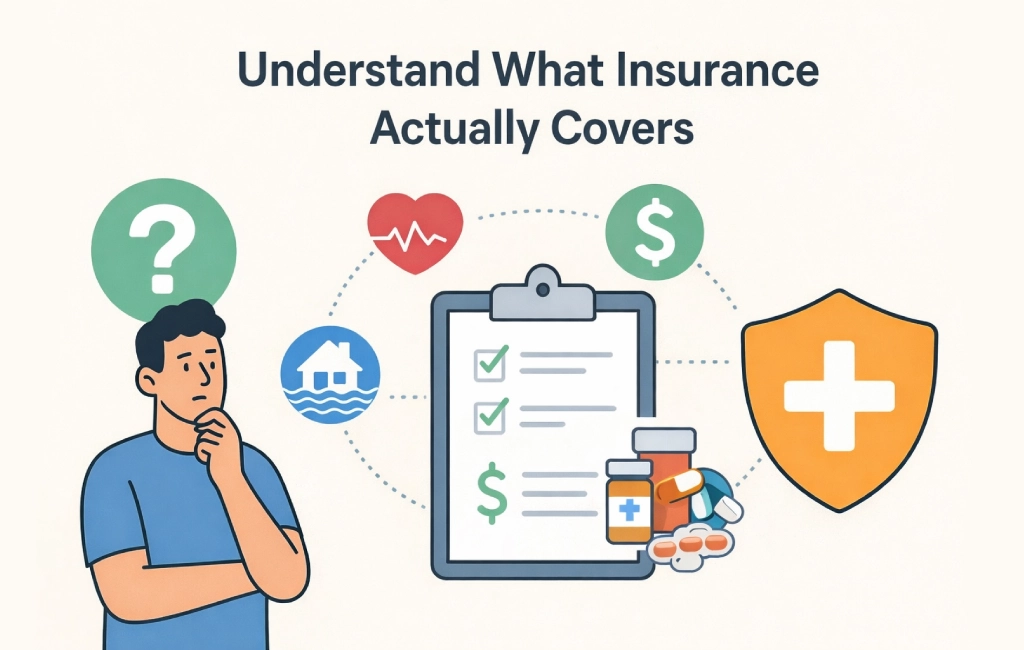
Step 8: Understand What Insurance Actually Covers
The Affordable Care Act requires most insurance plans to cover substance use disorder treatment as an essential health benefit.
Many families delay treatment because they assume they cannot afford it. Most of the time, that assumption is wrong.
Steps to verify your insurance coverage:
- Call the number on the back of your insurance card and ask about behavioral health benefits
- Ask whether the specific facility is in-network
- Ask about deductibles, copays, and out-of-pocket maximums for inpatient care
- Request written benefits verification before committing
- Ask the treatment center to verify your insurance directly (most quality programs do this for free)
If coverage falls short, ask about sliding-scale fees, financing options, or state-funded programs in your area.
Why Families Trust Safe Harbor Treatment Center
Finding the right rehab center can be overwhelming, but Safe Harbor Treatment Center makes it easier with personalized support, expert care, and a commitment to your loved one’s long-term success.
30+ Years of Trusted Experience
For over three decades, we have been helping families navigate the recovery journey with proven expertise and compassionate care. Our longevity means you can trust us with your loved one’s future.
Family-Owned & Personalized Care
We are not a corporate chain. As a family-owned facility, we prioritize individual attention over high-volume, one-size-fits-all treatment plans, ensuring your loved one gets the support they need to succeed.
Dual Diagnosis & Integrated Treatment
Over half of those with addiction also struggle with mental health issues. Safe Harbor treats both simultaneously, with integrated therapy for conditions like PTSD, anxiety, and depression, providing a comprehensive approach to recovery.
24/7 On-Site Medically Supervised Detox
Our facility offers medically supervised detox around the clock, ensuring a safe, comfortable start to your loved one’s recovery without the need for outside referrals or delays.
Evidence-Based Therapies & Tailored Recovery
We use a combination of evidence-based therapies, including CBT, DBT, and trauma-informed care, alongside holistic treatments like yoga and meditation. Treatment is fully personalized to meet the unique needs of each client.
Safe Harbor Treatment Center is dedicated to providing a pathway to recovery that is compassionate, supportive, and successful. Let us guide your family through this journey with care you can trust.
Our clients consistently describe being treated with dignity, compassion, and genuine care. The phrase “helped our entire family” appears in our independent reviews not as a figure of speech, but as an honest reflection of what our team delivers every day.
“Safe harbor was my daughter’s 3rd rehab and she’s been drug free for over a year. It helped our entire family”- Lisa Russo. Family of a Safe Harbor client (Google review)
Frequently Asked Questions
What is the biggest red flag in a rehab center?
Any program that guarantees sobriety rates, pressures you to commit without a proper intake assessment, or cannot provide verifiable state licensing and accreditation. Legitimate programs welcome questions and give families time to decide.
How do I know if a program genuinely treats dual diagnosis?
Ask whether a licensed psychiatrist conducts a full evaluation at intake, and whether mental health treatment runs parallel to addiction care throughout. True dual diagnosis treatment programs integrate psychiatry into the program, not refer clients to outside providers.
Does insurance usually cover inpatient treatment?
Yes, in most cases. Under the Affordable Care Act, most major insurance plans must cover substance use disorder treatment. Call the facility and ask them to verify your benefits for free before making any decisions.
How long should treatment last?
NIDA recommends a minimum of 90 days for meaningful, lasting outcomes. Shorter programs can work when followed by a strong step-down continuum including IOP, outpatient counseling, and structured aftercare.
Is aftercare really necessary after rehab?
The transition from residential care back to daily life is one of the highest-risk periods in recovery. Programs with strong aftercare planning and alumni support produce significantly better long-term outcomes than those without.
Your Next Step Starts Here
Choosing the right how to choose rehab center process comes down to asking the right questions, not just finding the nearest facility. Verify credentials. Match the care level to the need. Look for genuine dual diagnosis support. Confirm what your insurance covers.
And when you are ready to talk, Safe Harbor Treatment Center is here.
Call for a free, confidential assessment: (949) 416-2592 or (949) 645-1026, 25801 Obrero Dr. Suite 2, Mission Viejo, CA 92691
We will answer every question honestly, verify your insurance at no cost, and help you decide whether Safe Harbor is the right fit. You do not have to figure this out alone.