What is Narcissistic Personality Disorder?

Narcissistic Personality

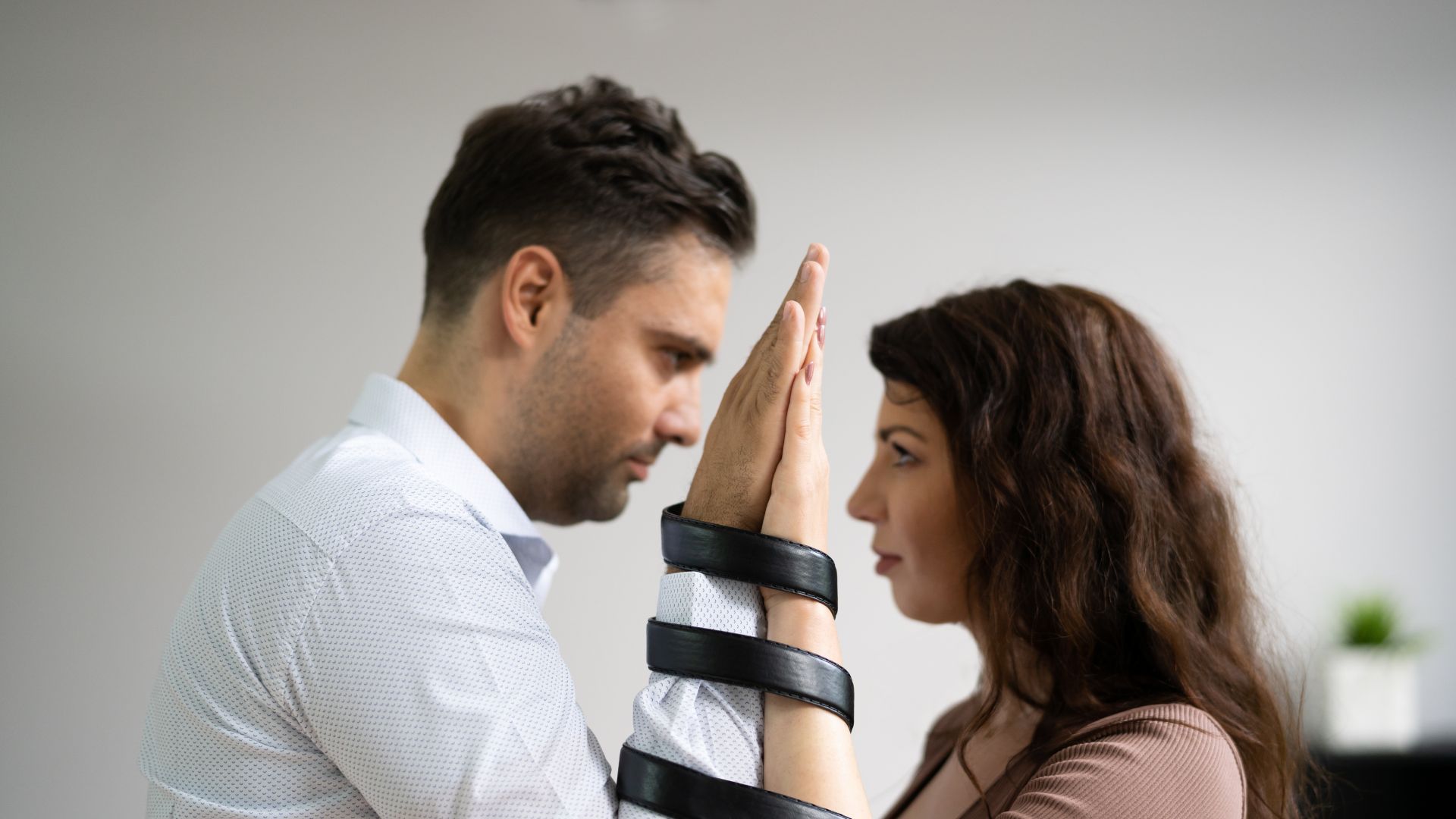
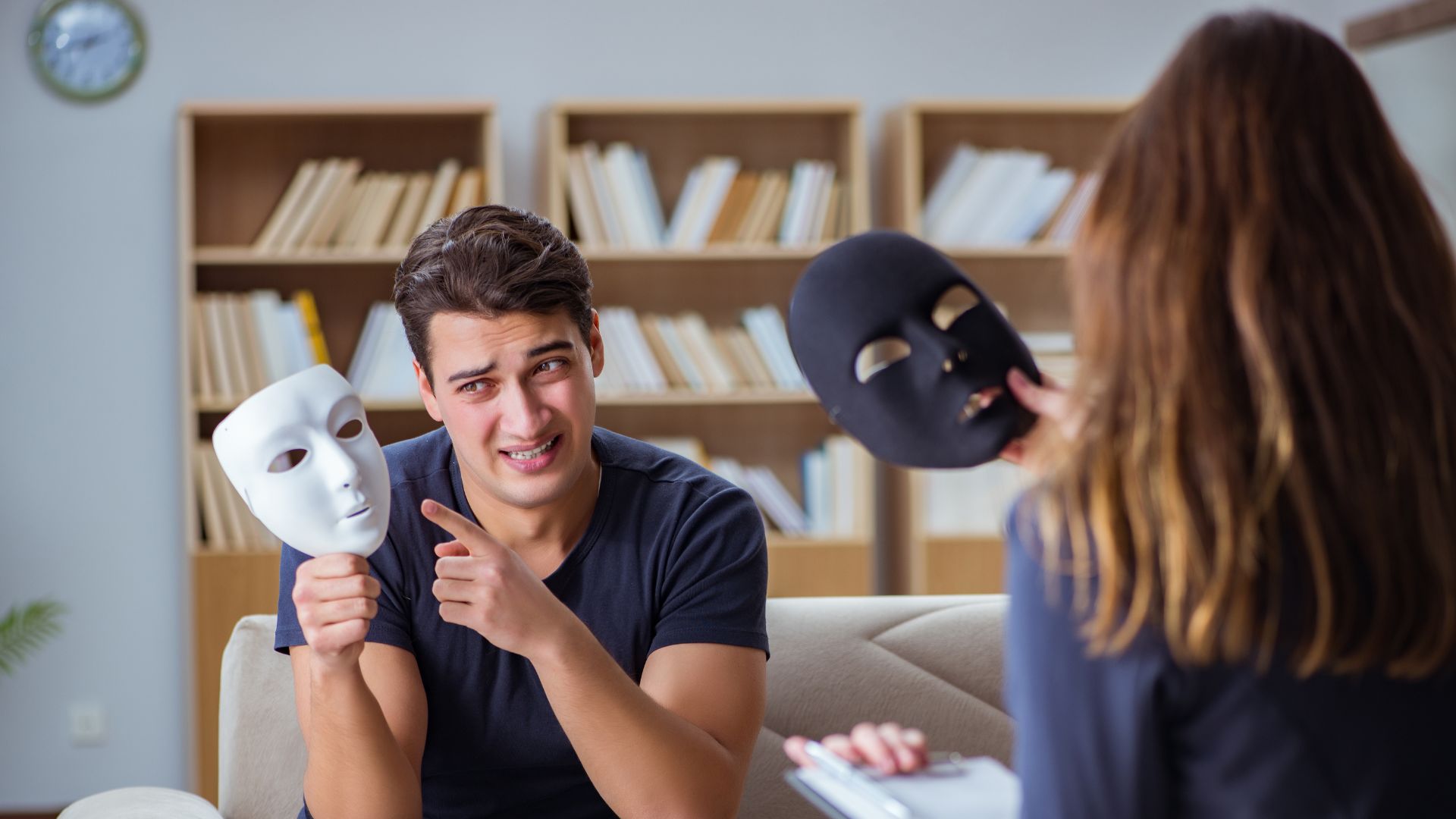
Introduction Do you know the origins of the term narcissistic personality disorder? The character Narcissus from Greek mythology is the basis for the term narcissism. Previously known as Narcissists, people with Narcissistic personality disorder have preoccupations with themselves and their outward appearances. They also are fixated on how others perceive them. Greek Mythology In ancient … Read more

How to catch the happiness

med_image_06

Happiness looks different for everyone. For you, maybe it?s being at peace with who you are. Or having a secure network of friends who accept you unconditionally. Or the freedom to pursue your deepest dreams. Regardless of your version of true happiness, living a happier, more satisfied life is within reach. Lorem ipsum dolor sit amet, consectetur adipiscing elit. Praesent porta justo sit amet blandit volutpat. Proin vel lacinia justo. In blandit ultricies risus a porttito…

Strict Analysis in the Situation

med_image_05
Today, it feels like everything has changed?it?s either been closed, postponed, or canceled. Some states have officially shut down. You?re working from home, while watching your kids (and trying to teach them). You haven?t seen or hugged your loved ones in weeks. If you?re struggling with all of this, know you?re not alone. And know that there are concrete (small) steps you can take to feel better. Below are three mental health concerns you might be currently struggling with?and how you can effectively navigate them. During such a painful, unprecedented time, it?s natural to get sucked into worst-case-scenario thinking. And it doesn?t matter how many times you reassure yourself that everything will be fine, you only end up feeling worse.
It also can help to remind yourself that these catastrophic thoughts aren?t ?expressions of facts,? Rajaee said. Rather, they?re ?expressions of fear??our brain?s way of trying to protect us, she said.
This makes sense. ?We are in a catastrophic situation, so some level of catastrophic thinking feels appropriate,? said Jenn Hardy, Ph.D, a psychologist with a private practice in Maryville, Tenn. ?The last thing that our anxiety needs to hear is some type of patronizing and dismissive reassurance.? Instead, Hardy suggested acknowledging that your concerns have validity in our current climate.

Concern: You feel disconnected and lonely.

You miss seeing your parents, taking walks with your best friend, and eating lunch with your coworkers. Whatever travel plans you had?like visiting your family in the spring?are now canceled. And you?re (understandably) devastated. The good news is that we can bust loneliness by getting creative. Maybe even deeper ways. For example, tap into technology by using Zoom, Skype, or FaceTime to virtually play games together, said Sheva Rajaee, MFT, founder of The Center for Anxiety and OCD in Irvine, Calif.Or try these additional connection boosters with your loved ones, which come from Clinton Power:
  1. I know this is an unpopular opinion.
  2. But can we stop buying plants from Costco? Or any other windowless wholesale club
  3. Consider buying plants that are sold outdoors, that are not wrapped in plastic/kept
New York City psychotherapist and coach Kate Crocco, MSW, LCSW, suggested being the first person to reach out. ?Often the best medicine for fear and sadness is being there for someone else.?

Three secrets to Beat Performance Anxiety

med_image_06

Today, it feels like everything has changed? it’s either been closed, postponed, or canceled. Some states have officially shut down. You’re working from home, while watching your kids (and trying to teach them). You haven’t seen or hugged your loved ones in weeks.
If you’re struggling with all of this, know you?re not alone. And know that there are concrete (small) steps you can take to feel better. Below are three mental health concerns you might be currently struggling with? And how you can effectively navigate them. During such a painful, unprecedented time, it’s natural to get sucked into worst-case-scenario thinking. And it doesn’t matter how many times you reassure yourself that everything will be fine, you only end up feeling worse.

It also can help to remind yourself that these catastrophic thoughts aren’t ?expressions of facts,? Rajaee said. Rather, they’re ?expressions of fear??our brains way of trying to protect us, she said.

This makes sense. ?We are in a catastrophic situation, so some level of catastrophic thinking feels appropriate,? said Jenn Hardy, Ph.D., a psychologist with a private practice in Maryville, Tenn. ? The last thing that our anxiety needs to hear is some type of patronizing and dismissive reassurance.? Instead, Hardy suggested acknowledging that your concerns have validity in our current climate.

Concern: You feel disconnected and lonely.

You miss seeing your parents, taking walks with your best friend, and eating lunch with your coworkers. Whatever travel plans you had? Like visiting your family in the spring? are now canceled. And you’re (understandably) devastated. The good news is that we can bust loneliness by getting creative.
Maybe even deeper ways. For example, tap into technology by using Zoom, Skype, or FaceTime to virtually play games together, said Sheva Rajaee, MFT, founder of The Center for Anxiety and OCD in Irvine, California. Or try these additional connection boosters with your loved ones, which come from Clinton Power:

  1. I know this is an unpopular opinion.
  2. But can we stop buying plants from Costco? Or any other windowless wholesale club
  3. Consider buying plants that are sold outdoors, that are not wrapped in plastic/kept

New York City psychotherapist and coach Kate Crocco, MSW, LCSW, suggested being the first person to reach out. ?Often the best medicine for fear and sadness is being there for someone else.?

Building a New World

med_image_04
Today, it feels like everything has changed?it?s either been closed, postponed, or canceled. Some states have officially shut down. You?re working from home, while watching your kids (and trying to teach them). You haven?t seen or hugged your loved ones in weeks. If you?re struggling with all of this, know you?re not alone. And know that there are concrete (small) steps you can take to feel better. Below are three mental health concerns you might be currently struggling with?and how you can effectively navigate them. During such a painful, unprecedented time, it?s natural to get sucked into worst-case-scenario thinking. And it doesn?t matter how many times you reassure yourself that everything will be fine, you only end up feeling worse.
It also can help to remind yourself that these catastrophic thoughts aren?t ?expressions of facts,? Rajaee said. Rather, they?re ?expressions of fear??our brain?s way of trying to protect us, she said.
This makes sense. ?We are in a catastrophic situation, so some level of catastrophic thinking feels appropriate,? said Jenn Hardy, Ph.D, a psychologist with a private practice in Maryville, Tenn. ?The last thing that our anxiety needs to hear is some type of patronizing and dismissive reassurance.? Instead, Hardy suggested acknowledging that your concerns have validity in our current climate.

Concern: You feel disconnected and lonely.

You miss seeing your parents, taking walks with your best friend, and eating lunch with your coworkers. Whatever travel plans you had?like visiting your family in the spring?are now canceled. And you?re (understandably) devastated. The good news is that we can bust loneliness by getting creative. Maybe even deeper ways. For example, tap into technology by using Zoom, Skype, or FaceTime to virtually play games together, said Sheva Rajaee, MFT, founder of The Center for Anxiety and OCD in Irvine, Calif.Or try these additional connection boosters with your loved ones, which come from Clinton Power:
  1. I know this is an unpopular opinion.
  2. But can we stop buying plants from Costco? Or any other windowless wholesale club
  3. Consider buying plants that are sold outdoors, that are not wrapped in plastic/kept
New York City psychotherapist and coach Kate Crocco, MSW, LCSW, suggested being the first person to reach out. ?Often the best medicine for fear and sadness is being there for someone else.?

How to Cope with Coronavirus-Caused Mental Health Concerns

med_image_01

Today, it feels like everything has changed?it?s either been closed, postponed, or canceled. Some states have officially shut down. You?re working from home, while watching your kids (and trying to teach them). You haven?t seen or hugged your loved ones in weeks. Lorem ipsum dolor sit amet, consectetur adipiscing elit. Praesent porta justo sit amet blandit volutpat. Proin vel lacinia justo. In blandit ultricies risus a porttito…

Healing Through Breathwork

Breathwork

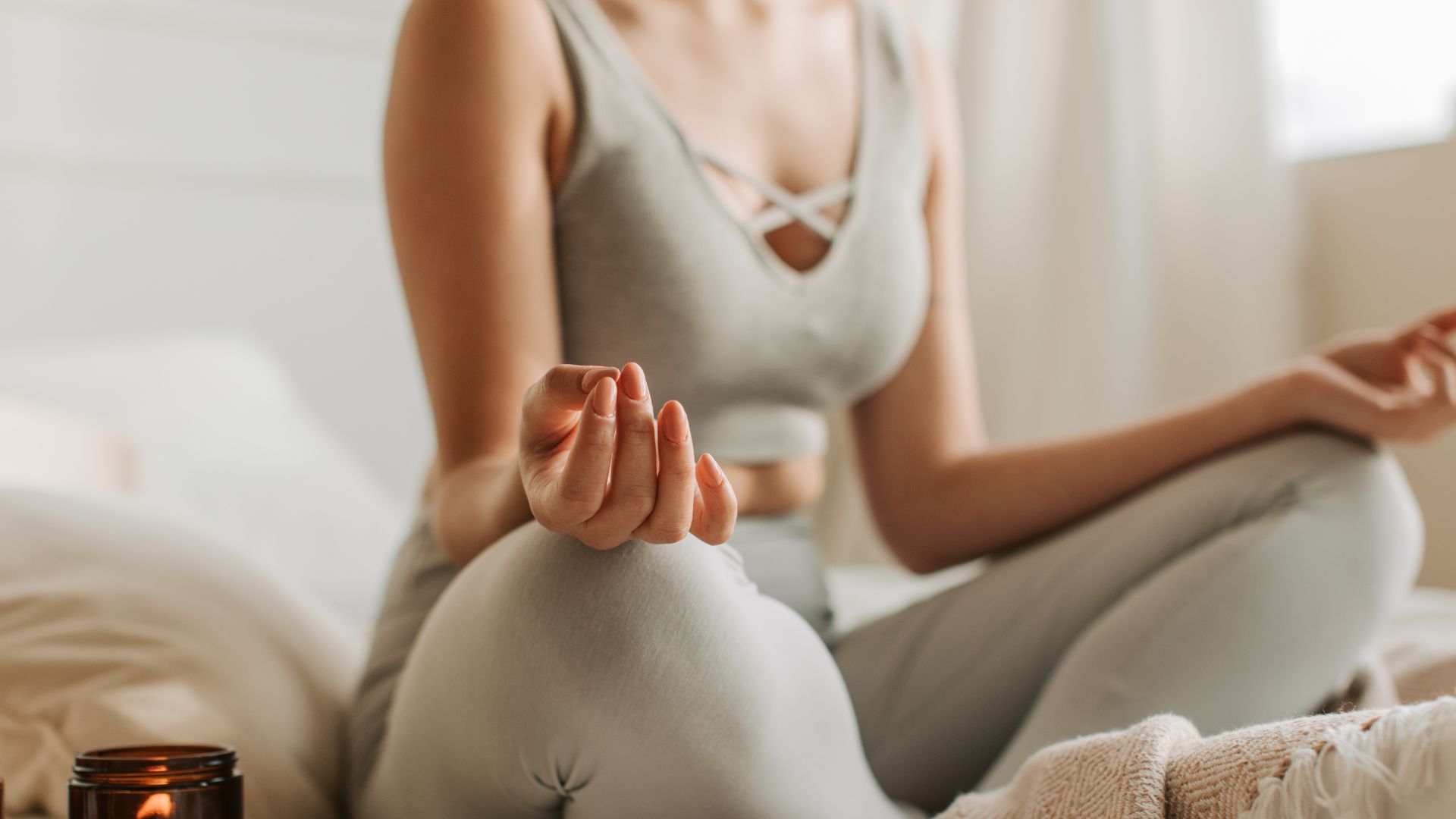
Daily life often seems to challenge us with an endless stream of stressors. At times, stress can lead us to take action in a positive direction for ourselves. But, often, our biological stress response takes over in a way that hurts us rather than helps us. Luckily, we can take conscious control over parts of … Read more

What Is Somatic Experiencing?

Somatic Experiencing

In the wake of trauma, an individual may hold considerable tension throughout their body. While we often think of post-traumatic stress disorder as a purely mental affliction, Somatic Experiencing aims to bring awareness to, and subsequently relieve, tension held in the body following trauma. Origins And Development Peter A. Levine, Ph.D., developed Somatic Experiencing after … Read more