How Long Does Ketamine Stay in the Body?

How Long Does Ketamine Stay in the Body? pexels eamon up north 19193770 scaled

The duration that ketamine remains detectable in the body is influenced by a multitude of factors, including dosage, administration method, and individual metabolic differences. While urine tests can identify ketamine for several days post-use, blood tests provide a much shorter detection window. Moreover, the implications of these varying durations can greatly impact treatment protocols for … Read more

How to Develop Emotional Resilience After Rehab

How to Develop Emotional Resilience After Rehab pexels helena lopes 708440 scaled

Emotional resilience is a critical component of sustaining recovery after rehabilitation, yet it often remains an overlooked aspect of the healing process. By understanding the interplay between mindfulness practices and effective coping strategies, individuals can better navigate the complexities of their emotional landscape. Establishing a supportive network and setting attainable goals are essential for fostering … Read more

How Long Is Tramadol Detectable in Urine?

How Long Is Tramadol Detectable in Urine? pexels christian buergi 13449839 scaled

The detection of tramadol in urine is a notable consideration for individuals who may be subject to drug screenings, particularly in clinical or rehabilitation settings. Generally, tramadol can be identified in urine for a duration of approximately 2 to 4 days post-consumption. However, this timeframe is influenced by various factors, such as the dosage taken, … Read more

Using Art and Creativity as a Healing Tool in Recovery

Using Art and Creativity as a Healing Tool in Recovery pexels eamon up north 19193770 scaled

The integration of art and creativity into recovery processes has emerged as a compelling avenue for personal healing and transformation. By engaging in artistic practices, individuals can navigate their emotional landscapes, often finding clarity and understanding in experiences that seem inexpressible through traditional means. This approach not only enhances emotional well-being but also fosters community … Read more

How to Find Women’s Dual-Diagnosis Treatment in California

How to Find Women’s Dual Diagnosis Treatment in California

Drug treatment programs do not follow a “one size fits all” philosophy. Specific groups or populations have specific needs that need to be met during treatment. This is especially true with women who struggle with dual diagnosis. In results published in the 2018 National Survey on Drug Use and Health, approximately 4.3 million women have … Read more

How to Cope with Coronavirus-Caused Mental Health Concerns

med_image_01

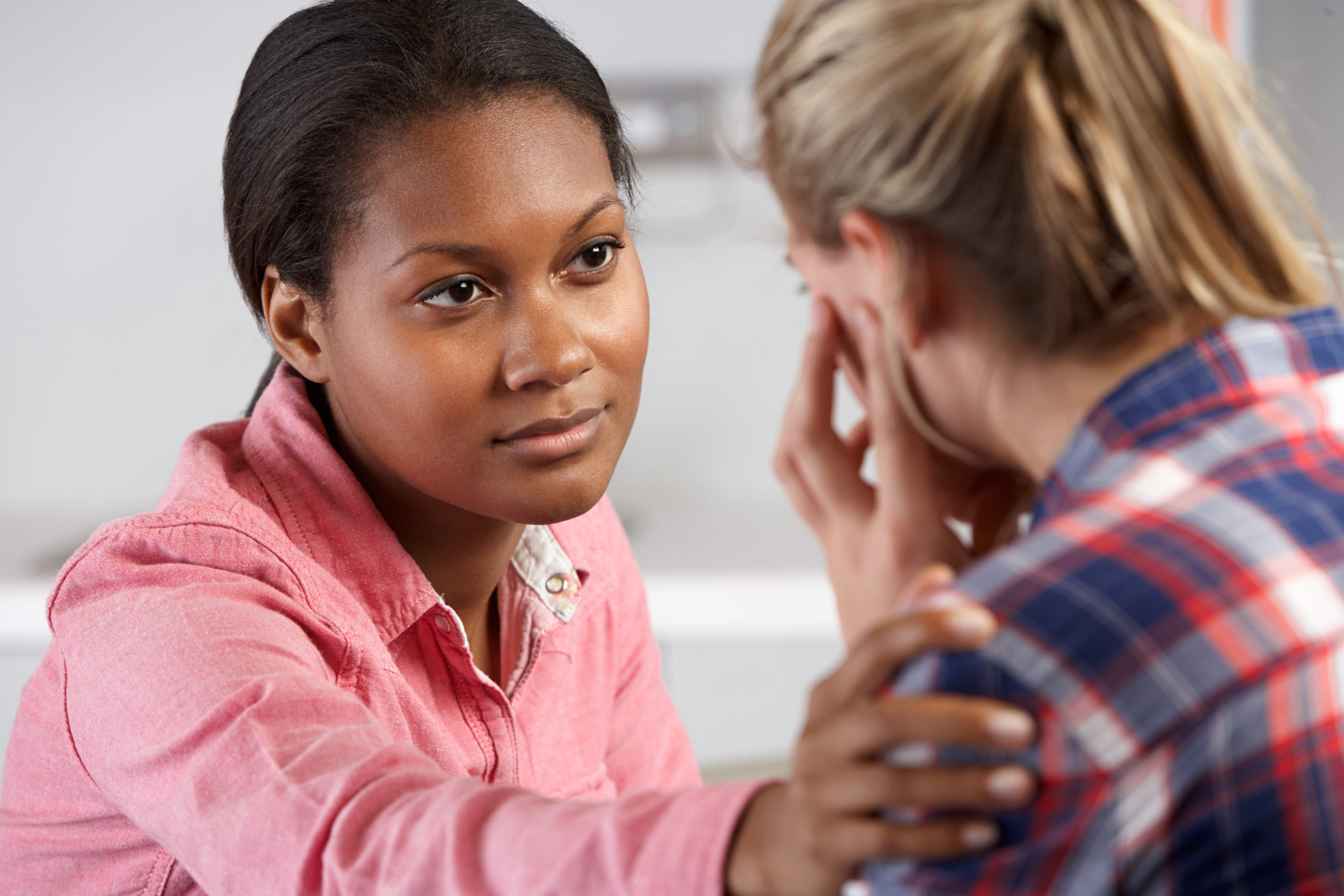
Today, it feels like everything has changed?it?s either been closed, postponed, or canceled. Some states have officially shut down. You?re working from home, while watching your kids (and trying to teach them). You haven?t seen or hugged your loved ones in weeks. Lorem ipsum dolor sit amet, consectetur adipiscing elit. Praesent porta justo sit amet blandit volutpat. Proin vel lacinia justo. In blandit ultricies risus a porttito…

Building a New World

med_image_04
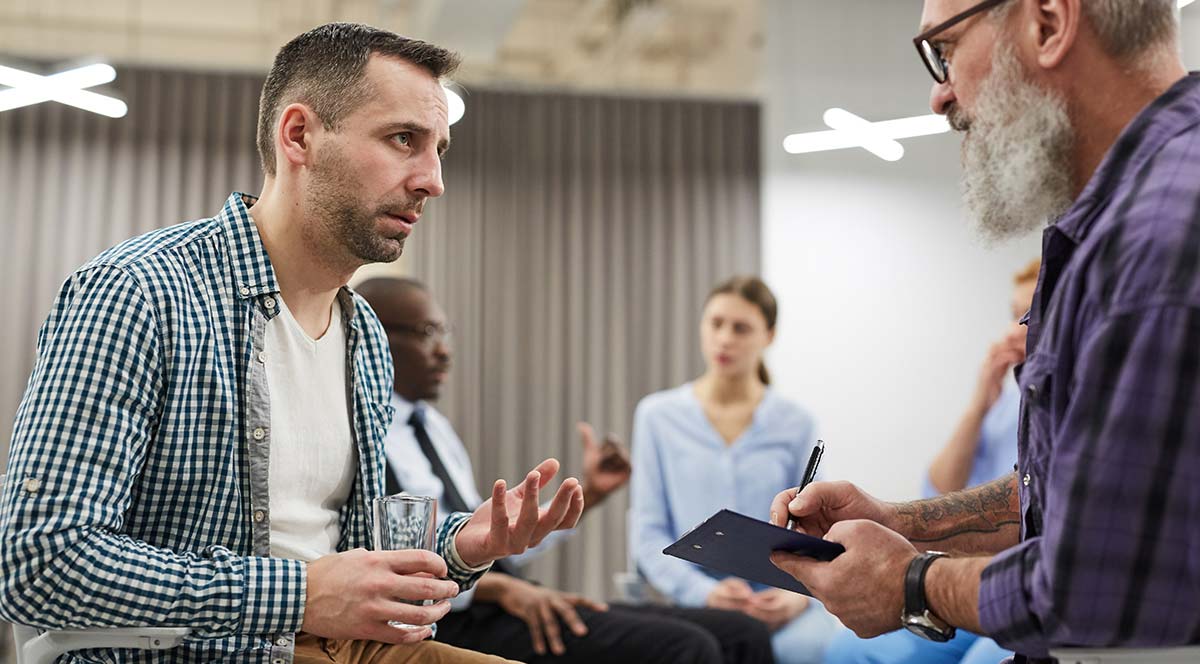
Today, it feels like everything has changed?it?s either been closed, postponed, or canceled. Some states have officially shut down. You?re working from home, while watching your kids (and trying to teach them). You haven?t seen or hugged your loved ones in weeks. If you?re struggling with all of this, know you?re not alone. And know that there are concrete (small) steps you can take to feel better. Below are three mental health concerns you might be currently struggling with?and how you can effectively navigate them. During such a painful, unprecedented time, it?s natural to get sucked into worst-case-scenario thinking. And it doesn?t matter how many times you reassure yourself that everything will be fine, you only end up feeling worse.
It also can help to remind yourself that these catastrophic thoughts aren?t ?expressions of facts,? Rajaee said. Rather, they?re ?expressions of fear??our brain?s way of trying to protect us, she said.
This makes sense. ?We are in a catastrophic situation, so some level of catastrophic thinking feels appropriate,? said Jenn Hardy, Ph.D, a psychologist with a private practice in Maryville, Tenn. ?The last thing that our anxiety needs to hear is some type of patronizing and dismissive reassurance.? Instead, Hardy suggested acknowledging that your concerns have validity in our current climate.

Concern: You feel disconnected and lonely.

You miss seeing your parents, taking walks with your best friend, and eating lunch with your coworkers. Whatever travel plans you had?like visiting your family in the spring?are now canceled. And you?re (understandably) devastated. The good news is that we can bust loneliness by getting creative. Maybe even deeper ways. For example, tap into technology by using Zoom, Skype, or FaceTime to virtually play games together, said Sheva Rajaee, MFT, founder of The Center for Anxiety and OCD in Irvine, Calif.Or try these additional connection boosters with your loved ones, which come from Clinton Power:
  1. I know this is an unpopular opinion.
  2. But can we stop buying plants from Costco? Or any other windowless wholesale club
  3. Consider buying plants that are sold outdoors, that are not wrapped in plastic/kept
New York City psychotherapist and coach Kate Crocco, MSW, LCSW, suggested being the first person to reach out. ?Often the best medicine for fear and sadness is being there for someone else.?

Three secrets to Beat Performance Anxiety

med_image_06

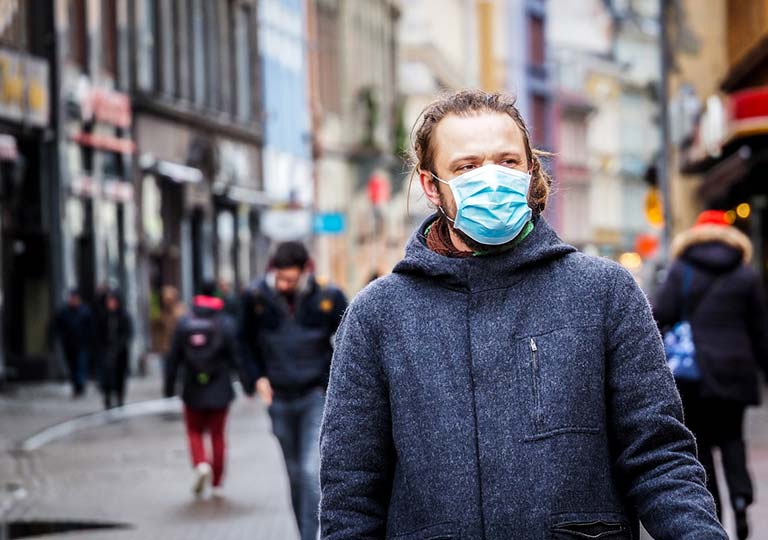
Today, it feels like everything has changed? it’s either been closed, postponed, or canceled. Some states have officially shut down. You’re working from home, while watching your kids (and trying to teach them). You haven’t seen or hugged your loved ones in weeks.
If you’re struggling with all of this, know you?re not alone. And know that there are concrete (small) steps you can take to feel better. Below are three mental health concerns you might be currently struggling with? And how you can effectively navigate them. During such a painful, unprecedented time, it’s natural to get sucked into worst-case-scenario thinking. And it doesn’t matter how many times you reassure yourself that everything will be fine, you only end up feeling worse.

It also can help to remind yourself that these catastrophic thoughts aren’t ?expressions of facts,? Rajaee said. Rather, they’re ?expressions of fear??our brains way of trying to protect us, she said.

This makes sense. ?We are in a catastrophic situation, so some level of catastrophic thinking feels appropriate,? said Jenn Hardy, Ph.D., a psychologist with a private practice in Maryville, Tenn. ? The last thing that our anxiety needs to hear is some type of patronizing and dismissive reassurance.? Instead, Hardy suggested acknowledging that your concerns have validity in our current climate.

Concern: You feel disconnected and lonely.

You miss seeing your parents, taking walks with your best friend, and eating lunch with your coworkers. Whatever travel plans you had? Like visiting your family in the spring? are now canceled. And you’re (understandably) devastated. The good news is that we can bust loneliness by getting creative.
Maybe even deeper ways. For example, tap into technology by using Zoom, Skype, or FaceTime to virtually play games together, said Sheva Rajaee, MFT, founder of The Center for Anxiety and OCD in Irvine, California. Or try these additional connection boosters with your loved ones, which come from Clinton Power:

  1. I know this is an unpopular opinion.
  2. But can we stop buying plants from Costco? Or any other windowless wholesale club
  3. Consider buying plants that are sold outdoors, that are not wrapped in plastic/kept

New York City psychotherapist and coach Kate Crocco, MSW, LCSW, suggested being the first person to reach out. ?Often the best medicine for fear and sadness is being there for someone else.?

Strict Analysis in the Situation

med_image_05
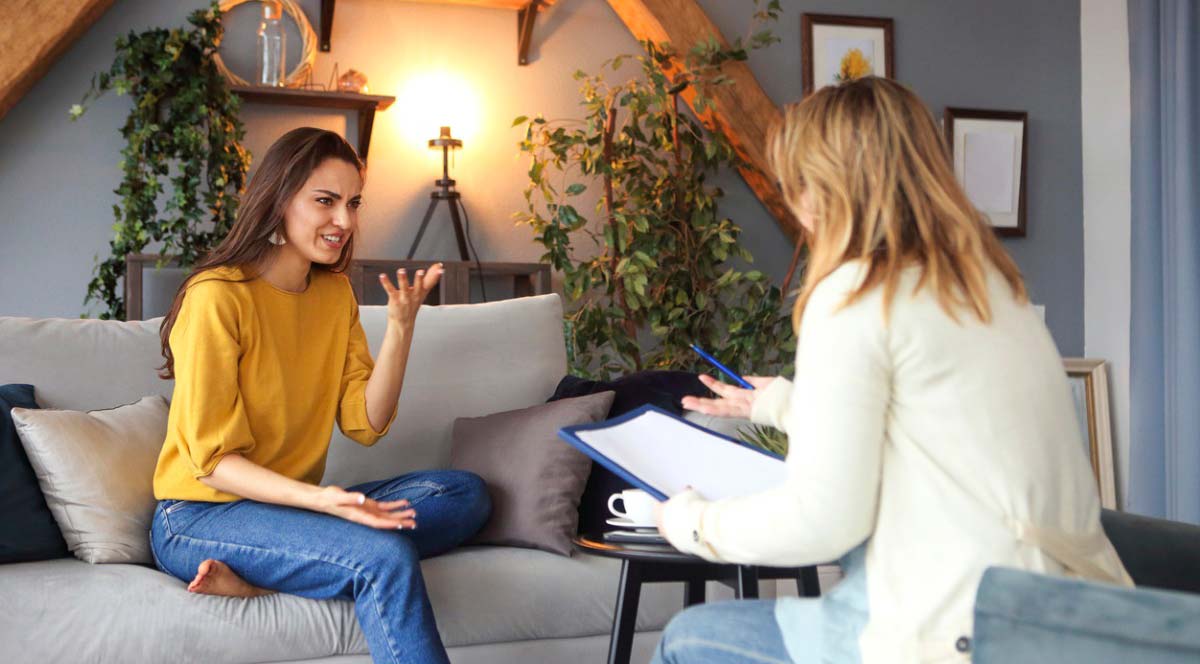
Today, it feels like everything has changed?it?s either been closed, postponed, or canceled. Some states have officially shut down. You?re working from home, while watching your kids (and trying to teach them). You haven?t seen or hugged your loved ones in weeks. If you?re struggling with all of this, know you?re not alone. And know that there are concrete (small) steps you can take to feel better. Below are three mental health concerns you might be currently struggling with?and how you can effectively navigate them. During such a painful, unprecedented time, it?s natural to get sucked into worst-case-scenario thinking. And it doesn?t matter how many times you reassure yourself that everything will be fine, you only end up feeling worse.
It also can help to remind yourself that these catastrophic thoughts aren?t ?expressions of facts,? Rajaee said. Rather, they?re ?expressions of fear??our brain?s way of trying to protect us, she said.
This makes sense. ?We are in a catastrophic situation, so some level of catastrophic thinking feels appropriate,? said Jenn Hardy, Ph.D, a psychologist with a private practice in Maryville, Tenn. ?The last thing that our anxiety needs to hear is some type of patronizing and dismissive reassurance.? Instead, Hardy suggested acknowledging that your concerns have validity in our current climate.

Concern: You feel disconnected and lonely.

You miss seeing your parents, taking walks with your best friend, and eating lunch with your coworkers. Whatever travel plans you had?like visiting your family in the spring?are now canceled. And you?re (understandably) devastated. The good news is that we can bust loneliness by getting creative. Maybe even deeper ways. For example, tap into technology by using Zoom, Skype, or FaceTime to virtually play games together, said Sheva Rajaee, MFT, founder of The Center for Anxiety and OCD in Irvine, Calif.Or try these additional connection boosters with your loved ones, which come from Clinton Power:
  1. I know this is an unpopular opinion.
  2. But can we stop buying plants from Costco? Or any other windowless wholesale club
  3. Consider buying plants that are sold outdoors, that are not wrapped in plastic/kept
New York City psychotherapist and coach Kate Crocco, MSW, LCSW, suggested being the first person to reach out. ?Often the best medicine for fear and sadness is being there for someone else.?