If you’re reading this, I can imagine that you’re facing a difficult decision: choosing the right place to begin your journey of trauma focused addiction recovery. It’s a decision that’s overwhelming for many, especially with so many options out there. However, I believe Southern California stands out, and here’s why.

At Safe Harbor Treatment Center, located in Mission Viejo, California, we’ve seen firsthand how this region’s unique environment is directly linked to better clinical outcomes. Our specialized trauma care, combined with the mild Southern California climate, makes it the ideal place for healing.
After reading this blog, you’ll understand:
- How Southern California’s climate reduces PTSD and anxiety, promoting smoother recovery.
- The role of beaches and outdoor activities in grounding and emotional regulation during trauma recovery.
- How hiking trails and mountains support relapse prevention and holistic healing.
- How wellness practices like yoga and meditation enhance therapies like EMDR and CBT.
- How local recovery communities foster long-term sobriety and emotional safety.
- Why Safe Harbor in Mission Viejo is the ideal place for trauma-focused addiction recovery.
From sunny beaches to calming mountain landscapes, this region provides not just the natural beauty but also the therapeutic environment needed to support recovery.
How Does Southern California’s Mild Climate Help Manage PTSD Hyperarousal and Anxiety During Recovery?
Right now, you might be wondering how something like the weather could make a real difference in your recovery. Let me explain it clearly: Southern California’s mild climate is one of the key reasons this region is ideal for trauma recovery, especially if you’re dealing with PTSD and anxiety.
The steady, mild temperatures in Southern California help keep your body’s stress levels in check, reducing hyperarousal symptoms common in PTSD. Research shows that consistent exposure to sunlight helps regulate serotonin levels, which in turn reduces anxiety and improves mood. Unlike regions with extreme seasonal changes, Southern California’s year-round pleasant weather provides a stable environment for mental and emotional healing.
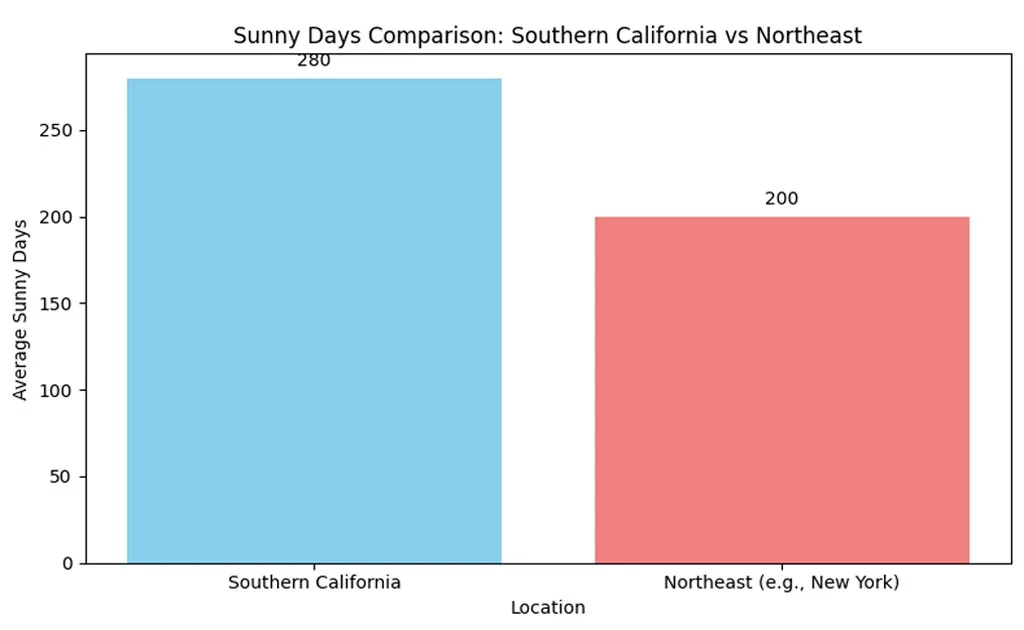
A study by the National Institute of Mental Health (NIMH) found that individuals exposed to moderate sunlight had lower cortisol levels, stress hormones that, if elevated, can hinder recovery from trauma. In Southern California, with an average of 280 sunny days a year, this kind of consistent light exposure helps regulate these levels, easing the recovery process.
| Location | Average Sunny Days |
PTSD Symptom Impact |
|
Southern California |
280+ |
Lower anxiety levels, improved emotional regulation |
| Northeast (e.g., New York) |
200+ |
Higher stress due to seasonal changes, higher relapse triggers |
Why Are Beaches and Coastal Activities Vital for Somatic Grounding in Trauma Focused Addiction Recovery?
You may be asking how walking on the beach or spending time by the ocean can help heal trauma. The answer lies in the power of somatic grounding, a technique we use that connects your body with its environment, helping regulate emotions and reduce anxiety.
The act of walking along the beach or listening to the waves can instantly interrupt the cycle of negative thoughts and flashbacks. These activities promote mindfulness, a key element in trauma recovery. Southern California’s beaches are more than just scenic—they are therapeutic spaces that aid in emotional release and grounding, helping you stay present in the moment.
According to research from USC , coastal environments, like the beaches here, help lower stress hormones and promote a sense of calm. Studies show that simply being near the ocean can improve emotional regulation and enhance trauma processing. The rhythmic sounds of the waves and the tactile sensation of sand on your feet are scientifically shown to disrupt traumatic memory patterns, making it easier to process past trauma.
How Do Year-Round Hiking Trails and Mountains Support Holistic Therapies and Relapse Prevention?
If you’re wondering how hiking and outdoor activities can fit into your recovery plan, let me simplify it for you. The natural beauty of Southern California’s hiking trails and mountains offers much more than just a chance to get fresh air; they play a critical role in relapse prevention and emotional resilience.
Hiking in the mountains or walking through nature trails doesn’t just feel good it has proven mental health benefits. The practice of being outdoors supports the development of coping skills, emotional resilience, and stress management. For those in recovery, nature-based therapies are essential for preventing relapse by providing healthy outlets for managing stress and triggers.
Studies conducted by SAMHSA show that outdoor therapies, such as hiking and wilderness activities, contribute to lower relapse rates and improved emotional regulation. Being surrounded by nature provides a safe, grounding space to process emotions and build resilience against future challenges.
A few weeks ago, we had a client who had struggled with internalizing their emotions. After participating in several hiking sessions in nearby trails, they felt empowered and more connected to themselves. The resilience built in nature became a critical part of their recovery toolkit.

What Makes Southern California’s Wellness Culture Ideal for Enhancing Evidence-Based Trauma Therapies?
You’re probably asking how Southern California’s wellness culture contributes to trauma recovery. It’s simple: this region’s strong focus on holistic wellness practices enhances the benefits of evidence-based therapies like EMDR, CBT, and DBT, accelerating emotional healing and overall well-being.
The integration of wellness practices such as yoga, meditation, and surf therapy with traditional therapies like EMDR (Eye Movement Desensitization and Reprocessing) creates an ideal environment for trauma recovery. These activities not only enhance emotional well-being but also support long-term sobriety by teaching mindfulness and stress management.
Research on nature-enhanced therapies consistently shows that combining outdoor activities with therapies like Cognitive Behavioral Therapy and DBT leads to better treatment outcomes. According to studies by USC, the benefits of outdoor mindfulness therapies (like yoga or surfing) help strengthen the therapeutic gains made in traditional therapy sessions.
How Do Dense Recovery Communities in Southern California Foster Long-Term Emotional Safety?
If you’re concerned about what happens after rehab ends, let me reassure you. Southern California has one of the most robust recovery networks in the nation. This means that once you complete your treatment, you’re never truly alone.
Southern California’s high concentration of sober living homes, recovery centers, and 12-step programs means that you have access to continued support and peer connection long after your treatment. Being part of a recovery community provides a constant reminder that healing is ongoing and that emotional safety is always within reach.
Data from the California Department of Public Health shows that Southern California has over 1,700 treatment facilities, which offer ongoing support through recovery communities. These communities significantly reduce relapse rates by providing consistent emotional support, peer connections, and aftercare planning.
Why Choose Us at Safe Harbor Treatment Center?
- Expert Trauma-Focused Care: Specialized in trauma-informed treatment, dual diagnosis, and PTSD recovery.
- Holistic Approach: Combining traditional therapies with nature-based healing practices like hiking, yoga, and surf therapy.
- Beautiful Location: Nestled in Mission Viejo, our center is surrounded by the scenic beauty of Orange County, providing privacy and tranquility.
- Proven Success: We are proud of our track record, with clients showing high success rates in long-term recovery.
- Tailored Treatment Plans: We create personalized plans that cater to each individual’s needs, ensuring the best possible recovery journey.
Frequently Asked Questions (FAQs)
What is the most effective trauma-informed approach for addiction recovery in California?
EMDR, CBT, and Dialectical Behavioral Therapy combined with mindfulness and yoga are highly effective for trauma recovery.
Why do addiction treatment programs have low success rates, and how does trauma-informed care in Southern California help?
Programs lacking trauma-informed care miss underlying issues. Southern California’s integrated approach focuses on both trauma and addiction for higher success.

What are the most important factors in recovery from drug addiction with PTSD?
Key factors include trauma therapy, emotional regulation, and a supportive environment all offered by Southern California programs.
What are the 4 cornerstones of trauma-informed recovery in California rehab?
Safety, trust, choice, and empowerment are essential to trauma recovery.
How does California’s climate help recovery from addiction and trauma?
The mild sunlight reduces stress and improves mood, helping recovery from trauma and addiction.
How long does trauma-informed dual diagnosis treatment typically last in Orange County?
Typically 30-90 days, depending on the individual’s needs.
What role do beaches and outdoor activities play in relapse prevention strategies?
Beaches and outdoor activities aid in grounding, reducing stress, and improving emotional regulation, which help prevent relapse.
How do Southern California’s recovery communities support long-term sobriety?
Sober living homes and alumni networks offer ongoing support, reducing isolation and promoting long-term sobriety.
Conclusion
Southern California offers unparalleled benefits for trauma-focused addiction recovery. From its climate to its unique wellness culture, this region supports long-term healing and emotional safety. At Safe Harbor Treatment Center, we provide a compassionate environment for individuals to recover fully. Start your journey today and contact us for a confidential consultation to begin your trauma focused addiction recovery in Mission Viejo.